WebsiteCSMCSPO
The Agile Manifesto
Beck, Fowler, Sutherland, et al.
Four values, twelve principles, one page. Everything else is commentary.
Learning Center
The certification is the start, not the finish. These are the 140 books, talks, websites, and tools our instructors recommend when students ask “what should I look at next?” They're grouped by topic, and filterable by the class you took.
As an Amazon Associate we earn from qualifying purchases.
140 resources shown, tile view
Beck, Fowler, Sutherland, et al.
Four values, twelve principles, one page. Everything else is commentary.
Ken Schwaber & Jeff Sutherland
The actual definition of Scrum. It's free, and about 13 pages. Most team disagreements are settled by re-reading it together.
The certifying body for CSM and CSPO. Certification paths, renewal, and the member community.
Practical Agile and Scrum articles from the Braintrust / ClearlyAgile network.
Mike Cohn
Mike Cohn's deep library on user stories, estimating, and planning.

Jeff Sutherland
From the co-creator of Scrum. The best starting point after your CSM: why the framework is shaped the way it is, not just the ceremonies.

Jeff Sutherland, James O. Coplien, et al.
Scrum as a language of patterns, showing how the pieces reinforce each other. For when you want depth, not a checklist.

J.J. Sutherland
Field stories of Scrum used well (and badly) outside software, from the CEO of Scrum Inc.

Stephanie Ockerman & Simon Reindl
For teams past the basics who want to get honest about what 'done' and 'working' really mean.

Kenneth S. Rubin
The thorough, well-illustrated reference. The one to own if you want a single desk copy.
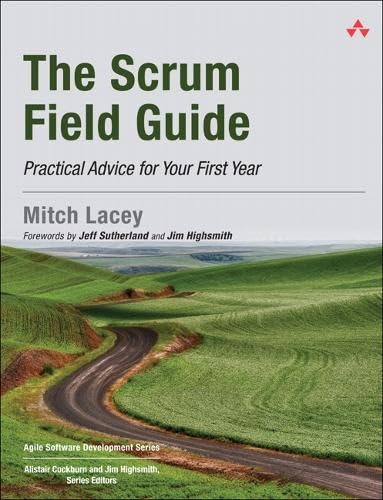
Mitch Lacey
Aimed squarely at teams in their first year of Scrum, and the real problems that show up then.

Mike Cohn
Cohn's playbook for rolling Scrum out across an organization, not just one team.

James Shore & Shane Warden
A practitioner's guide to the engineering and teamwork practices that make agility real. Fully rewritten 2nd edition.

Angela Druckman
A short, practical run at the habits that move a new team forward quickly.

Brian M. Rabon, The Braintrust Group
Our own plain-English field guide to getting started with Scrum.
Jeff Sutherland

Scrum.org
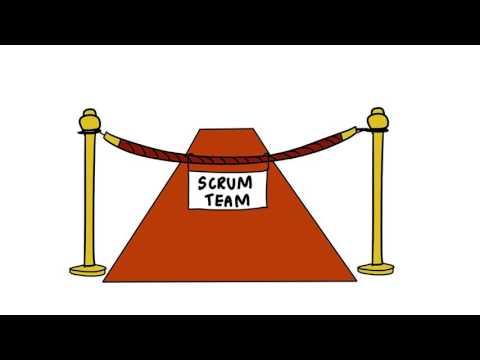
Scrum Alliance
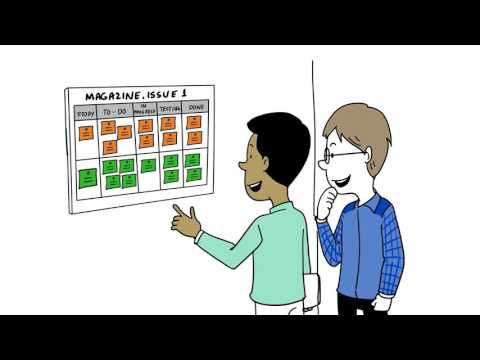
Scrum Alliance
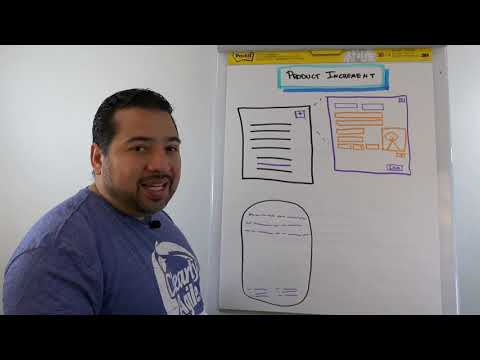
Fred Mastropasqua, ClearlyAgile
One of our own instructors on what a potentially shippable increment really means.
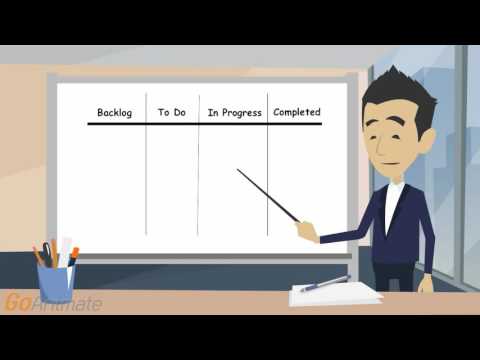
The classic two-minute illustration of adaptive vs. up-front planning.

Joe Justice, TEDxRainier
Om Patel & Brian Orlando
A working PO and a coach argue through real Agile questions. Good for the commute.

Kent Beck & Cynthia Andres
The book that named XP. Still the clearest case for the engineering practices Scrum leaves unspoken.

David J. Anderson
The foundational Kanban text. It improves flow by starting where you are, with no big reorg required.

Daniel S. Vacanti
Flow metrics done right: cycle time, throughput, and how to forecast without story-point theatre.

Dean Leffingwell
The precursor to SAFe, from its creator. Useful background on why the scaling frameworks look the way they do.

Bill Joiner & Stephen Josephs
A developmental model for how leaders grow into leading change, not just managing it.

John Stenbeck & Kevin Jans
For the hard case: running Agile inside fixed-scope government procurement.

Andreas Opelt, Boris Gloger, Wolfgang Pfarl & Ralf Mittermayr
How to write a contract that survives contact with an empirical, changing scope.
Henrik Kniberg, AgileByExample 2016
A keynote on why finishing beats starting. The clearest case for limiting work in progress.
ClearlyAgile
A webinar on building quality in, and where testing fits in an agile team.
ClearlyAgile
What the Sprint is and why it's the container that makes everything else in Scrum work.
ClearlyAgile
How a team shapes a Sprint Goal and a plan they actually believe in.

ClearlyAgile
The daily inspect-and-adapt, done as a planning session for the developers, not a status report.
ClearlyAgile
Turning the review into a working session with stakeholders, not a demo.
ClearlyAgile
Why a shared Definition of Done is what makes an increment trustworthy.
Rob Shaw, ClearlyAgile
How a strong Sprint Goal gives a team focus and something to say no around.
Scrum Alliance
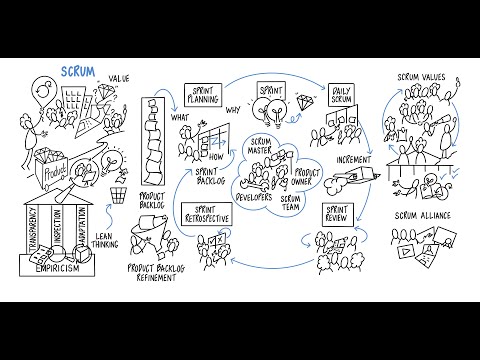
A fast, complete refresher on the framework. Good to send before a class.
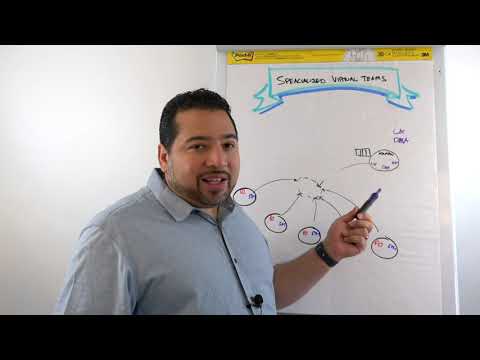
Fred Mastropasqua, ClearlyAgile
How to handle shared specialists and dependencies without breaking cross-functional teams.

Ed Gorski, ClearlyAgile
Practical DevOps adoption when you don't have a giant platform team.
ClearlyAgile
A webinar on how the metrics you pick quietly shape the behavior you get.
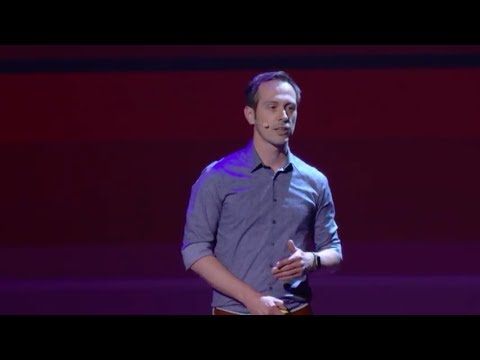
Frank de Wit, TEDxAmsterdamED
A charming TEDx that shows the framework's core so simply a family can run it.
ClearlyAgile
The full channel of ClearlyAgile explainers and webinars, in one place.
Henrik Kniberg
The skateboard-to-car drawing everyone cites, from the person who drew it, with the nuance most people miss.

Marty Cagan
The reference text for modern product management. Start here if the CSPO left you wanting more depth.

Marty Cagan & Chris Jones
The follow-up to Inspired, on how product leaders build teams that solve problems rather than just ship features.

Teresa Torres
The most practical book on talking to customers every week: opportunity solution trees and interview habits.

Luke Hohmann
Structured games for pulling real needs and priorities out of customers and stakeholders.

Mike Cohn
The book that taught a generation how to write and split stories that actually help a team.
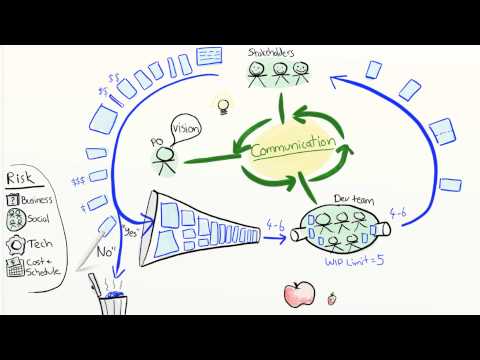
Henrik Kniberg
Fifteen minutes of whiteboard that explains the PO role better than most two-day courses.

Nordstrom Innovation Lab
A product built in a week, live in-store, with real customer feedback every day. The loop, made visible.

Jeff Patton
The definitive book on story mapping: keeping the whole user journey in view instead of a flat backlog.

James Kalbach
A complete guide to journey maps, service blueprints, and diagrams that align a team on the customer's experience.

Peter W. Szabó
Practical techniques for story maps, journey maps, and the diagrams that make UX decisions visible.

Ellen Gottesdiener
How to run the workshops where real requirements actually get discovered, together.

Gojko Adzic
A one-page technique to connect what you build to the business outcome it's supposed to move.

Gojko Adzic & David Evans
Exactly what it says: fifty small, practical fixes for the way your team writes and splits stories.

Martin Haussmann
A visual-thinking handbook for facilitators and product people. Sketch ideas so a room can see them.
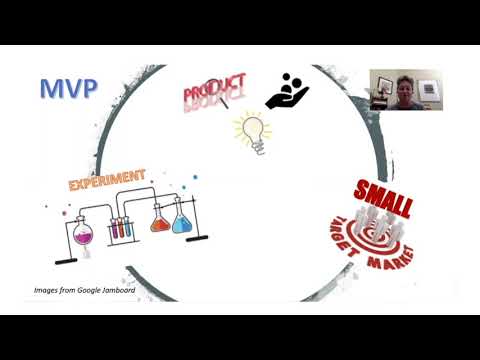
Yolanda Martinez, ClearlyAgile
What an MVP is really for: learning fast, not shipping a smaller version of everything.
Diana Kander, TEDxKC
Why testing your assumptions with customers beats polishing the idea in a room.
Jeff Sutherland
The scaling framework built out from Scrum itself.
The reference site for SAFe roles, events, and configurations.
Google Cloud
Deployment frequency, lead time, change fail rate, recovery time. The four measures worth arguing about, plus a free self-assessment.

Matthew Skelton & Manuel Pais
Why your org chart keeps producing the same delivery problems, and four team shapes that fix it.

Nicole Forsgren, Jez Humble & Gene Kim
The research behind the four key metrics. Evidence, not opinion, for making the case to change.
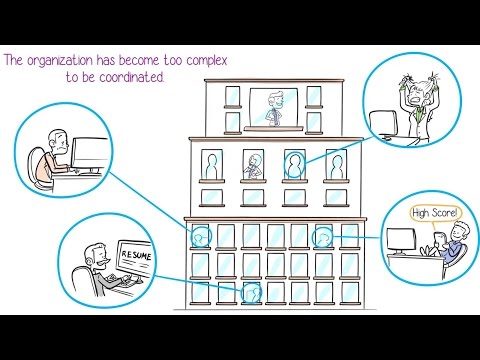
Gosei
A vivid look at how coordination breaks down as you add teams, and what helps.
ClearlyAgile
A webinar on the obstacles that stall transformations, and how to get moving again.
Michael James
The classic one-page checklist for what a Scrum Master actually tends to, day to day.

Lyssa Adkins
The book to read once you've mastered the mechanics of Scrum and realise the hard part is people.

Geoff Watts
What separates a competent Scrum Master from a genuinely great one, with concrete examples.

Zuzana Šochová
A compact, modern take on the role and how it grows from team to organization.

Ilan Goldstein
Bite-sized, battle-tested tactics for the situations the courses don't cover.

Robert Galen
A candid guide to agile coaching as a craft, from beginner to mastery.

Scrum.org
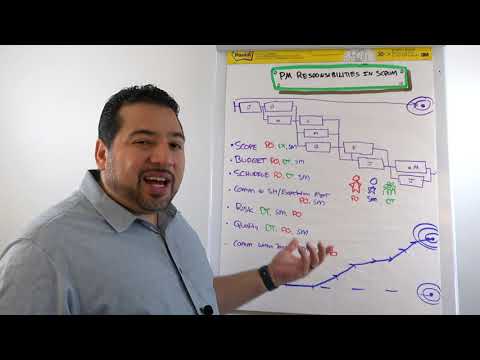
Fred Mastropasqua, ClearlyAgile
Where the project manager's work actually goes when a team adopts Scrum.

Damon Poole & Gillian Lee
Real coaching skills for Agilists, aimed at accelerating adoption without pushing.

Henry Kimsey-House, Karen Kimsey-House & Phillip Sandahl
The classic coaching text behind many coach-training programs. The craft beneath 'the coaching stance.'

Gil Broza
The people part of the job. How a leader helps a team actually gel and deliver, beyond the mechanics.

ClearlyAgile
A short, sharp illustration of what a great Scrum Master actually does for a team.
Scrum Alliance
The official FAQ for certification, renewals, SEUs, and microcredentials.
A big catalogue of agile games and exercises for training and facilitation.
Mix-and-match retrospective plans: pick an activity for each phase and get a ready-made agenda.
A community wiki of retrospective tools, ideas, and formats.
Activities and ideas for retrospectives and team check-ins.

Esther Derby & Diana Larsen
The definitive book on running retrospectives that change something, not just vent.

Mike Cohn
Why estimates go wrong and how to plan iteratively without pretending to predict the future.

Jean Tabaka
A toolkit for facilitating the meetings a Scrum Master actually runs.

Sam Kaner
The deep reference on getting a group to a decision everyone actually owns.

Jake Knapp
Google Ventures' five-day design sprint, step by step. A great structured way to de-risk a big bet.
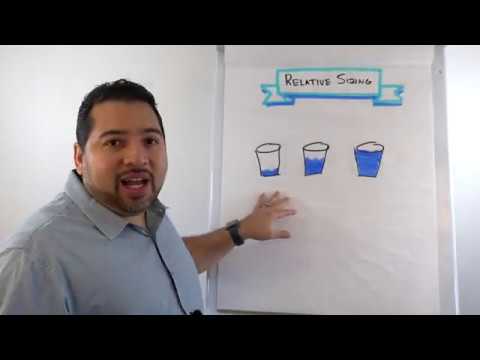
Fred Mastropasqua, ClearlyAgile
Why story points beat hours, from one of our instructors.

Tom Wujec, TED
Why kindergartners beat MBAs at a build challenge. A great team exercise and a lesson in prototyping.

Michael Wilkinson
A structured, repeatable method for facilitating groups to a real decision. Deeply practical.
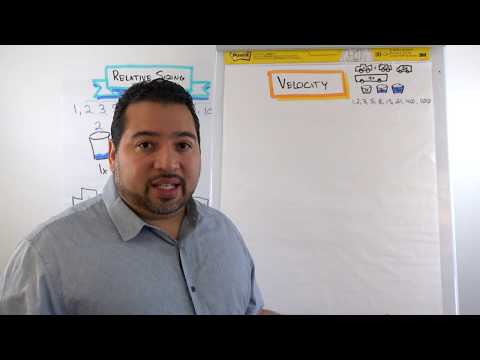
Fred Mastropasqua, ClearlyAgile
What velocity really is, and how to use it as a forecasting tool rather than a target.
ClearlyAgile
A webinar on estimating agile work and forecasting when it will actually be done.

ClearlyAgile
Running the retro that actually changes something the next Sprint.
Google studied 180 teams to find what predicts performance. It wasn't talent. It was psychological safety.
33 facilitation microstructures that get everyone contributing, not just the loudest voice in the room.
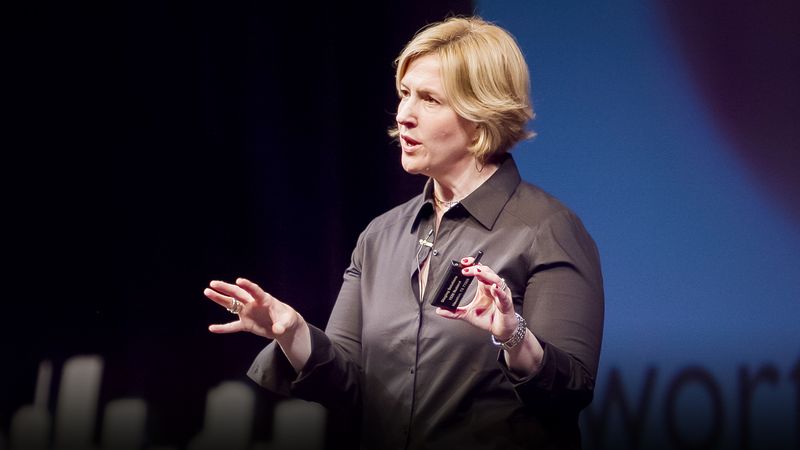
Brené Brown, TED
Twenty minutes on why psychological safety isn't a soft nice-to-have. Worth it before your next retrospective.
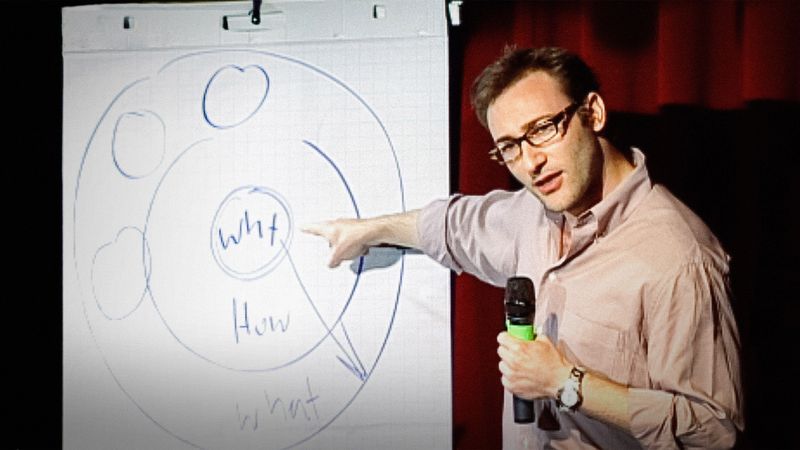
Simon Sinek, TED
The 'start with why' talk. The clearest short argument for leading with purpose over process.
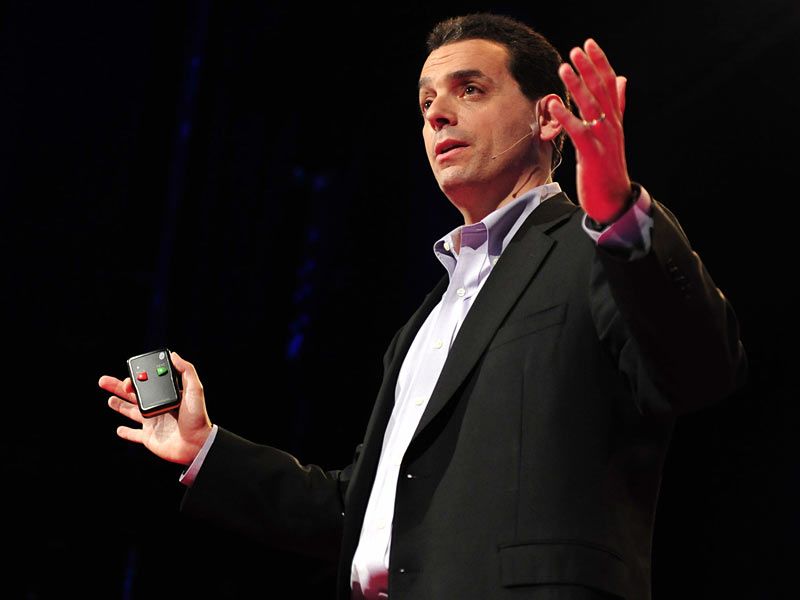
Dan Pink, TED
Autonomy, mastery, purpose, and the evidence that incentives often make thinking work worse.

Amy Edmondson, TED
The researcher who named psychological safety, on why teams that report more errors are often the better ones.

Patrick Lencioni
Reads like a novel and lands hard. The best explanation of why capable teams still don't perform.

Timothy R. Clark
A practical model for the safety that lets people include, learn, contribute, and challenge.

L. David Marquet
A submarine captain's account of moving from leader-follower to leader-leader. The clearest case study in devolving authority.

Henrik Kniberg
The 'Spotify model' from the source: squads, tribes, and why autonomy needs alignment.

Bart den Haak
The Agile Manifesto set to Queen. For the lighter end of a team offsite.
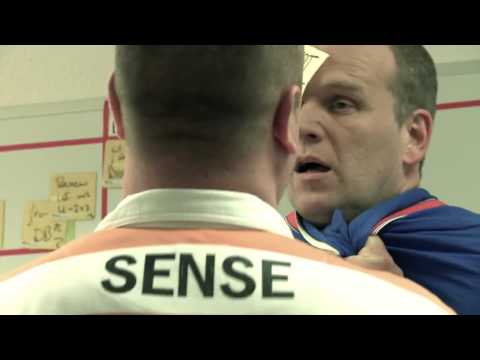
Jeff Sutherland

I Love Lucy
The definitive two-minute demonstration of what happens when you overload a system past its capacity.

Patrick Lencioni
The practical companion to the fable: exercises for actually fixing trust, conflict, and accountability.

Kim Scott
Care personally and challenge directly. The best framework for feedback that's both kind and honest.

John P. Kotter
Kotter's eight-step model, still the reference for why change efforts stall and how to sustain them.

Kerry Patterson, Joseph Grenny, Ron McMillan & Al Switzler
How to hold the high-stakes conversation you've been avoiding, without it going sideways.

Robert K. Greenleaf
The essay that started it all, and where 'servant leader,' the heart of the Scrum Master role, comes from.

Bill George
On leading from who you actually are. A grounding read for anyone stepping into leadership.

Bill George
The earlier book that made the case for values-led leadership over image management.

Gary Chapman & Paul White
People are motivated differently. A simple lens for recognition that actually lands.

Tom Rath
Build on what people are already good at. Includes the assessment; a common team-building starting point.

Dale Carnegie
The century-old classic on working well with people. Still worth the afternoon.

Robert Greene
A cold, clear-eyed look at organizational power. Read it to recognize the games, not to play them.
Rob Shaw, ClearlyAgile
How communities of practice keep a craft alive across teams as you scale.
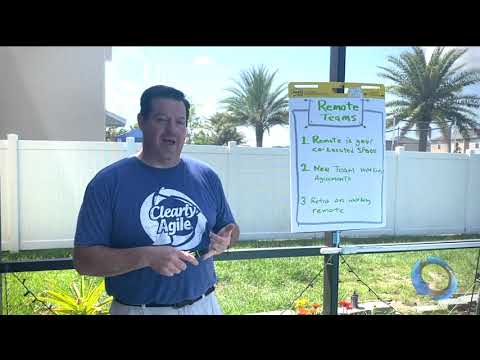
Rob Shaw, ClearlyAgile
Keeping collaboration and trust high when the team isn't in one room.
David Marquet, MindSpring
The submarine captain on giving control and creating leaders at every level.

Gino Wickman
The EOS operating system: a concrete way to run a company on vision, data, and accountability.

Gino Wickman & Mike Paton
The story-form companion to Traction: EOS shown, not just told.

Mike Michalowicz
A cash-management system that flips the formula so a business is profitable by design.

Richard Sheridan
Menlo Innovations' story of building a deliberately joyful, transparent, pair-programming culture.

Brian J. Robertson
A serious attempt at distributing authority through explicit roles instead of a management hierarchy.

Geoffrey A. Moore
Why great products stall between early adopters and the mainstream, and how to bridge it.

Diana Kander
A fable on validating a business idea before betting everything on it. (The one also referred to as 'Fall in Love with the Problem.')

Frederick P. Brooks Jr.
Adding people to a late project makes it later. The essays that named the traps, still true 50 years on.

Edward Yourdon
How doomed projects happen and how to survive one. A candid antidote to planning optimism.
Anthropic
Practical, current techniques for getting useful output from an LLM. Pairs with our AI workshops.

Ethan Mollick
The most grounded book on working with LLMs day to day: what they're good at, and where they quietly fail.

Daniel H. Pink
The research on timing, and when to do what. Useful for scheduling the work, not just doing it.

Rolf Dobelli
A field guide to the cognitive biases that quietly wreck decisions. Short, sharp chapters.

Hermann Hesse
The short novel that inspired Greenleaf's idea of the servant leader. A quiet, worthwhile detour.
Our instructors curate this list, but the best recommendations usually come from students. If a book or talk changed how you work, tell us and we'll take a look.

